Our services
Personalized ABA Therapy Designed to Empower Growth
smile earned reminds us that growth happens
when purpose meets compassion.”
— Higher Purpose ABA
We bring therapy to the place where your child feels most comfortable — home.
Our in-home ABA sessions focus on teaching practical life skills, communication, and social behaviors in a familiar environment. This approach helps children apply new skills naturally in their daily routines, with active participation from parents and caregivers.
Goals may include:
- Improving communication and language
- Increasing independence with daily living skills
- Reducing challenging behaviors
- Building play, social, and self-help skills
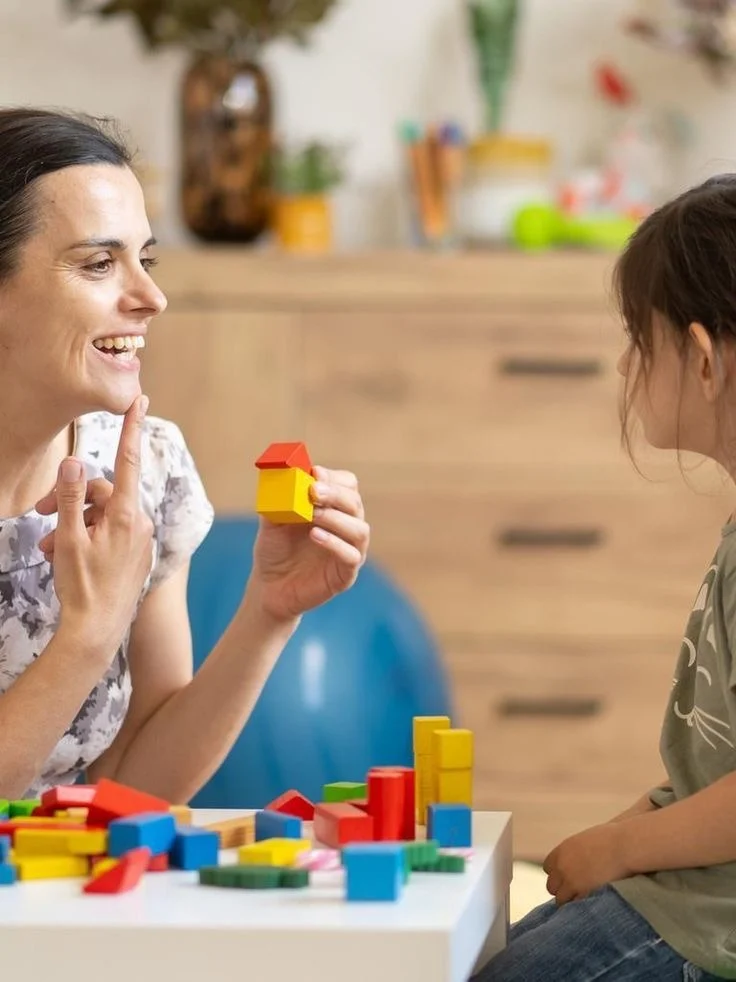
We offer early intervention programs for children ages 2–6 that build foundational communication, play, and social skills during the most critical developmental years. Early intervention can make a powerful difference in long-term development.
We provide individualized ABA therapy for toddlers and young children, focusing on communication, play skills, attention, and early learning. The earlier we start, the more opportunities your child has to thrive.
Every journey at Higher Purpose ABA begins with a thorough, individualized assessment.
This process allows us to understand your child’s abilities, challenges, and motivations — creating a clear roadmap for growth and success.
Our assessments are conducted by Board Certified Behavior Analysts (BCBAs) and may include:
- Functional Behavior Assessments (FBA): To identify the causes and functions of specific behaviors.
- Skills Assessments: Using tools such as the ABLLS-R, VB-MAPP, or AFLS to measure language, social, and daily living skills.
- Preference Assessments: To discover what motivates your child and helps drive positive learning experiences.
- Progress Assessments: Regularly scheduled to track improvements and adjust therapy goals as your child grows.
After the assessment, we collaborate closely with families to design an individualized treatment plan focused on meaningful, achievable outcomes.
Building independence is at the heart of what we do.
Through our Independent Living Skills training, we teach practical, everyday abilities that foster confidence and self-reliance. These skills are introduced gradually, based on the child’s developmental level and personal goals.
Areas of focus may include:
- Personal hygiene and self-care
- Dressing, grooming, and toileting routines
- Meal preparation and feeding skills
- Household responsibilities (cleaning, organizing, chores)
- Money management and basic budgeting (as appropriate)
- Safety awareness at home and in the community
- Time management and daily schedules
Our therapists use positive reinforcement, visual supports, and step-by-step teaching to ensure each child experiences success and pride in their growing independence.
At Higher Purpose ABA, we use positive reinforcement, consistency, and individualized strategies to help children gain confidence and success in toileting and hygiene. Our therapists work closely with families to create supportive routines that carry over into home, school, and community settings.
We focus on:
- Toilet training and recognizing body cues
- Handwashing and personal hygiene
- Managing clothing and bathroom independence
- Understanding appropriate privacy behaviors
- Addressing fears or sensitivities related to bathroom use
- Building confidence and reducing anxiety
Whether your child is just beginning toilet training or needs support with advanced self-care routines, our compassionate team creates a plan that promotes comfort, dignity, and lasting independence.
Strong social connections build confidence and joy.
Our Social Skills programs teach children how to communicate, play, and interact with peers in meaningful ways. We offer both individualized instruction and group sessions to help children apply these skills in real-life settings.
Skills taught include:
- Making and maintaining friendships
- Sharing, turn-taking, and teamwork
- Understanding emotions and nonverbal cues
- Managing frustration and problem-solving
- Respecting personal space and boundaries
Through practice, modeling, and positive feedback, we help each child develop the confidence to connect with others and enjoy social success.